|
Getting your Trinity Audio player ready...
|
In the realm of travel, the allure of exotic animal encounters has long been a significant draw for tourists seeking unique and unforgettable experiences. From cuddling tiger cubs to riding elephants through lush jungles, the promise of close encounters with majestic creatures has fuelled a thriving industry in many parts of the world. However, beneath the surface of these seemingly idyllic adventures lies a complex web of ethical dilemmas, animal welfare concerns, and environmental implications that demand our attention.
The Appeal of Animal Tourism:
Animal tourism encompasses a wide range of activities, from visiting traditional zoos to participating in more hands-on experiences like elephant rides and swimming with dolphins. These encounters offer travellers the opportunity to connect with wildlife in ways that seem both thrilling and intimate, promising a deeper understanding of the natural world and its inhabitants.
One of the most popular forms of animal tourism is wildlife selfie tourism, where tourists pay to take photos with exotic animals such as tigers, lions, and primates. In countries like Thailand, India, and South Africa, establishments offering these experiences have proliferated, capitalizing on the desire of tourists to interact closely with wildlife and capture the perfect Instagram moment.
The Reality of Animal Tourism:
Despite the apparent appeal of animal tourism, the reality for many of the creatures involved is far from idyllic. Behind the scenes, these animals often endure lives of captivity, exploitation, and abuse, all in the name of entertainment and profit.
Take, for example, the practice of tiger petting, which remains a popular attraction in countries like Thailand. While tourists may relish the chance to cuddle and pose with tiger cubs, the harsh truth is that these animals are often subject to cruel training methods and deprived of their natural habitats. Once they outgrow their usefulness as photo props, many are sold into the illegal wildlife trade or condemned to a life of confinement in poorly maintained zoos or breeding facilities.
Similarly, elephant trekking has long been a staple of tourism in countries like Thailand and India. Tourists flock to ride these gentle giants through lush landscapes, believing they are participating in a culturally enriching experience. However, the reality for captive elephants is often grim, with many subjected to brutal training techniques, such as the use of bull hooks and chains, to ensure their obedience.
Statistics on Animal Tourism:
The scale of animal tourism is vast, with millions of tourists participating in wildlife-related activities each year. According to a report by World Animal Protection, approximately 110 million people visit wildlife tourist attractions annually, generating billions of dollars in revenue for the industry.
Moreover, a study published in the journal Nature Communications found that the global wildlife tourism industry is growing at an alarming rate, with a projected annual growth rate of 6% between 2018 and 2023. This exponential growth has significant implications for animal welfare and conservation efforts, as more and more animals are exploited to meet the demands of an ever-expanding market.
The Environmental Impact:
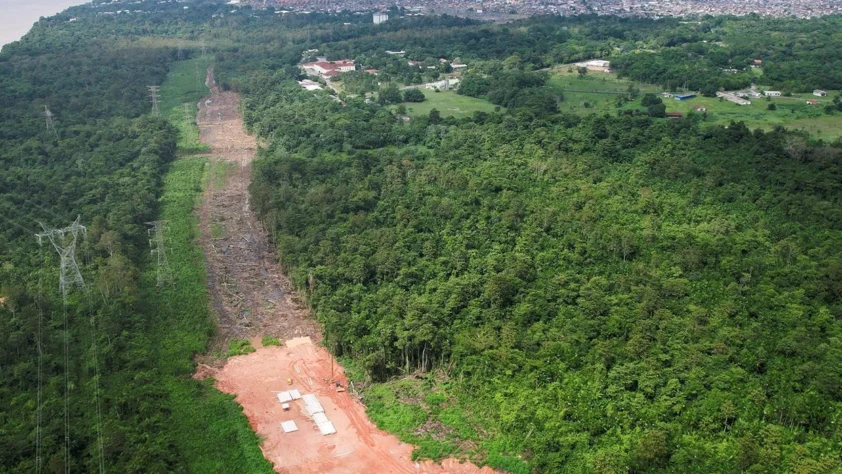
In addition to the ethical concerns surrounding animal tourism, there are also significant environmental implications to consider. Many of the activities associated with wildlife tourism, such as habitat destruction and pollution, contribute to the degradation of natural ecosystems and threaten the survival of vulnerable species.
For example, the demand for elephant rides has led to the widespread deforestation of elephant habitats in countries like Thailand, where forests are cleared to make way for tourist camps and resorts. This loss of habitat not only harms wild elephant populations but also disrupts entire ecosystems and endangers countless other species that rely on these habitats for survival.
Furthermore, the captive breeding of animals for the tourism industry can have negative consequences for genetic diversity and population health. Inbreeding among captive populations can lead to a host of health problems and diminish the resilience of species in the face of environmental threats such as disease and climate change.
The Ethical Imperative:
Given the myriad ethical and environmental concerns associated with animal tourism, it is clear that a paradigm shift is needed in the way we approach wildlife experiences abroad. While it may be tempting to turn a blind eye to the suffering of animals in the pursuit of a memorable vacation, we must recognize our responsibility to act as stewards of the natural world and advocate for the protection of its inhabitants.
As consumers, we have the power to drive change by making informed choices about the activities we support while traveling. By boycotting establishments that exploit animals for profit and opting instead for responsible and ethical wildlife experiences, we can send a powerful message to the tourism industry that cruelty and exploitation will not be tolerated.
Conclusion:
In conclusion, the reality of animal tourism abroad is far from the idyllic image often portrayed in brochures and advertisements. Behind the scenes, countless animals endure lives of suffering and exploitation, all in the name of entertainment and profit. As conscientious travellers, it is incumbent upon us to educate ourselves about the ethical and environmental implications of the activities we participate in and to make choices that reflect our values of compassion and respect for all living beings. Only by challenging the status quo and demanding greater accountability from the tourism industry can we hope to create a world where wildlife is valued and protected for generations to come.