|
Getting your Trinity Audio player ready...
|
Human-driven climate change — largely caused by burning fossil fuels like oil, gas and coal — is not just warming the planet. It’s reshaping the behaviour of Earth’s weather systems, making some of the most destructive natural disasters more common, more severe, and harder to predict. Scientists now say these patterns, already evident around the world, will intensify further unless greenhouse gas emissions are sharply cut. (BBC Feeds)
Heatwaves: Higher Temperature, Bigger Threats
Even modest increases in global average temperatures make extreme heat events much more likely. The warming climate shifts daily temperature patterns upward, meaning days that used to be rare become routine. Today’s heatwaves are hotter, last longer and cover larger areas than in past decades. (BBC Feeds)
This rising heat does more than just make summers uncomfortable — it strains health systems, increases mortality (especially among vulnerable populations), and can disrupt electricity and water supplies. A hotter world also increases the baseline heat in soil and vegetation, making landscapes more prone to dryness and fire. (Chatham House)
Recent reports project that annual global temperature records could continue to be broken in the next five years, largely because emissions remain high and the planet continues to warm, pushing climate impacts into even more extreme territory. (The Guardian)
Droughts: Longer, Deeper, More Damaging
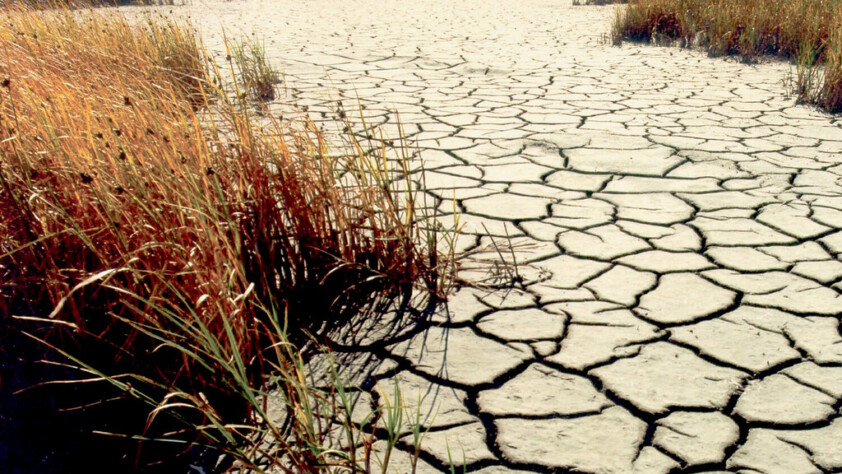
Climate change is altering rainfall patterns around the globe. Some regions become wetter, others drier — and in dry regions, droughts are lasting longer and becoming more severe. When heatwaves sit over a region for days or weeks, the soil dries out, evaporation rises and water sources shrink. (BBC Feeds)
This effect is already being felt. In South Africa’s Western Cape, severe drought conditions have devastated farmland and livestock, with emerging water crises threatening communities and ecosystems. (Reuters)
The combination of drying soils, hotter air and increased water demand during heatwaves creates a feedback loop: a warming climate amplifies drought risk, and drought itself intensifies heat extremes. (Chatham House)
Wildfires: More Fuel, More Frequent Fires
Wildfires are a natural part of many ecosystems. But climate change is increasing the frequency and intensity of the weather conditions that help wildfires grow out of control. Higher temperatures and prolonged dry spells suck moisture out of soils and vegetation, effectively turning landscapes into tinderboxes. (BBC Feeds)
Scientific assessments show that warming made recent fire conditions in places like the Amazon and Southern California significantly more likely, and the total area burned would have been much smaller without human influence on the climate. (BBC Feeds)
In 2026’s early months, wildfire seasons in the Southern Hemisphere — from Argentina and Chile to Australia and South Africa — have already seen record heat and intense blazes, underlining this trend. (Reuters)
Floods: A Wetter, More Volatile Atmosphere
Warmer air holds more moisture — roughly 7% more for every 1°C of warming. That additional moisture feeds heavier rainfall when storms develop, increasing the risk of flash flooding and damaging deluges. (BBC Feeds)
Flooding in parts of Europe and southern Africa has recently demonstrated how a warmer atmosphere can contribute to extreme rainfall. A study in southern Africa found climate change and weather patterns like La Niña combined to produce catastrophic flooding that killed hundreds and displaced thousands. (Reuters)
As the climate continues to warm, scientists say these heavy rainfall events — which can overwhelm drainage systems and river basins — are likely to become more frequent and intense. (BBC Feeds)
Looking Ahead — What 2026 Might Bring
As we move further into 2026, climate scientists warn that:
- Heat records are expected to keep being broken, with an increased chance of years exceeding key warming thresholds. (The Guardian)
- Extreme weather “whiplash” — rapid swings between dry and wet conditions — is becoming more common, adding volatility to water resources, agriculture and disaster planning. (The Guardian)
- Without global action to cut emissions and invest in adaptation, heatwaves, droughts, wildfires and floods are projected to become more frequent, more intense, and more costly for communities and economies. (Chatham House)
Why It Matters
The impacts of these extreme events are not just environmental — they affect human health, food and water security, infrastructure, and economies on every continent. From Europe’s record heat and fires to Southern Hemisphere drought, the evidence shows a consistent pattern: our climate system’s response to warming is already underway and accelerating. (Reuters)
Mitigating these risks will require rapid cuts in greenhouse gas emissions, robust adaptation strategies, and international cooperation — or the hazards of heat, drought, fire and flood will continue to escalate through 2026 and beyond.