|
Getting your Trinity Audio player ready...
|
The Illusion of Clean Energy
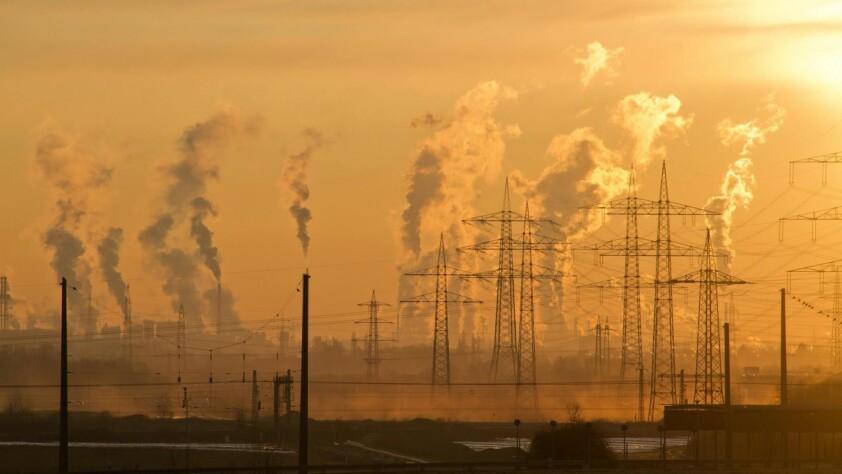
The Guardian has uncovered a troubling contradiction at the heart of America’s fossil fuel industry: gas sites awarded top environmental ratings are still emitting significant pollution—often invisible to the naked eye.
These so-called “Grade A” facilities, promoted as examples of responsible energy production, are now under scrutiny after advanced monitoring technologies revealed methane plumes escaping undetected. The findings challenge long-standing assumptions about regulatory standards and corporate transparency in the oil and gas sector.
Methane: The Invisible Threat
Methane, the primary component of natural gas, is a potent greenhouse gas—over 80 times more powerful than carbon dioxide in the short term. While it dissipates faster, its immediate impact on global warming is severe.
What makes methane especially dangerous is its invisibility. Unlike oil spills or smog, these emissions often go unnoticed without infrared imaging or satellite detection. This allows leaks to persist for months—or even years—without intervention.
Recent data from organizations such as the Environmental Defense Fund and the International Energy Agency suggest that methane emissions from oil and gas operations are significantly underreported, raising concerns about the credibility of “low-emission” energy claims.
“Grade A” — But By Whose Standards?
The classification of gas sites as “Grade A” is meant to indicate high operational and environmental performance. However, the criteria often rely on self-reporting, infrequent inspections, or outdated detection methods.
Investigations have shown that even well-rated facilities can harbor persistent leaks. In some cases, operators were unaware of emissions until third-party monitoring revealed extensive plumes.
This disconnect highlights a systemic issue: regulatory frameworks may not be keeping pace with technological advancements in emissions detection. As a result, a site can meet compliance standards while still contributing significantly to climate change.
A Global Climate Consequence
Methane emissions from fossil fuel infrastructure are a major driver of global warming. According to the United Nations Environment Programme, reducing methane is one of the fastest ways to slow climate change in the near term.
Yet, the persistence of “invisible” leaks undermines international efforts such as the Global Methane Pledge, which aims to cut emissions by 30% this decade. If even top-rated facilities are leaking, the scale of the problem may be far greater than current estimates suggest.
Technology vs Accountability
Ironically, the same technological advances exposing these leaks—satellites, drones, and infrared cameras—also offer a path forward. Real-time monitoring can dramatically reduce emissions if paired with rapid response and stricter enforcement.
However, technology alone is not enough. Without regulatory reform and corporate accountability, these tools risk becoming diagnostic instruments rather than solutions.
Experts argue that independent verification, continuous monitoring, and stricter penalties for leaks are essential to close the gap between perception and reality.
The Environmental Cost of Complacency
The implications extend beyond climate metrics. Methane leaks are often accompanied by other harmful pollutants, including volatile organic compounds (VOCs), which can degrade air quality and pose health risks to nearby communities.
Communities living near oil and gas infrastructure—often already vulnerable—bear the brunt of this “invisible” pollution. The designation of a site as “clean” can mask these localized impacts, delaying necessary interventions.
A Turning Point for Energy Integrity
The revelations surrounding “Grade A” gas sites mark a critical moment in the global energy transition. As countries attempt to balance energy security with climate commitments, the integrity of environmental standards is paramount.
If top-tier facilities cannot guarantee minimal emissions, the narrative of natural gas as a “bridge fuel” becomes increasingly fragile.
The question now is not just how much pollution exists—but how much has gone unseen.
References and Further Reading
- The Guardian – Invisible plumes and ‘terrible pollution’: the reality of the US gas sites rated ‘grade A’
- Environmental Defense Fund – Methane tracking and emissions research
- International Energy Agency – Global Methane Tracker reports
- United Nations Environment Programme – Global Methane Assessment
- NASA – Satellite monitoring of greenhouse gas emissions
- National Oceanic and Atmospheric Administration – Atmospheric methane data and trends