|
Getting your Trinity Audio player ready...
|
Africa’s Vanishing Giant’s:
5Africa, known for its breathtaking landscapes and iconic wildlife, is facing an unprecedented crisis of mass wildlife extinction. Over the decades, the continent has witnessed a staggering decline in its larger mammal populations. From majestic elephants to magnificent rhinos, these iconic animals are teetering on the brink of extinction, leaving the entire ecosystem in jeopardy. The crisis is far from being isolated to Africa, as it is a global issue, but this article will shed light on the specific challenges the continent faces in preserving its magnificent wildlife.
The Alarming Numbers
To understand the gravity of the situation, we must delve into the numbers. Africa’s wildlife populations, particularly its larger mammals, have been experiencing a rapid and alarming decline over the past few decades.
- Elephants: African elephants have been hit hardest, with their population plummeting at an alarming rate. In the 1970s, there were approximately 1.3 million African elephants. Today, this number has fallen to around 415,000, marking a decline of nearly 70% in just a few decades. A significant driver of this decline is the illegal ivory trade, fueled by demand primarily from Asian countries.
- Rhinos: Rhinoceroses, both black and white, have faced a similar fate. In the 1970s, Africa was home to around 70,000 rhinos. Now, this number has dwindled to approximately 25,000. While this represents a decline of nearly 65%, the situation is grimmer for the northern white rhino, which is on the verge of extinction, with only two known individuals left on Earth.
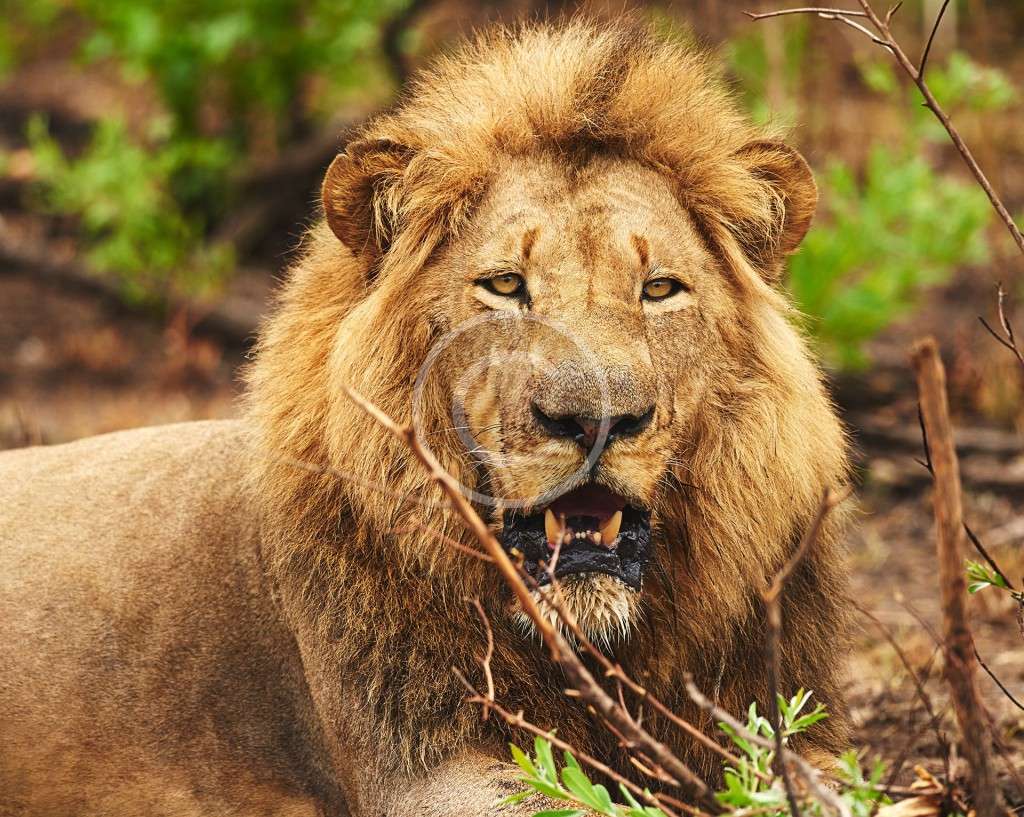
- Lions: The “King of the Jungle” has also experienced a significant population reduction. Estimates suggest that Africa’s lion population has dropped from 200,000 in the early 20th century to less than 20,000 today. These majestic creatures are under pressure from habitat loss, poaching, and human-wildlife conflicts.
- Giraffes: Surprisingly, giraffes are also in peril. Their numbers have declined by about 40% over the last 30 years, with habitat loss and illegal hunting posing substantial threats.
Drivers of the Crisis
The crisis of mass wildlife extinction in Africa is driven by a combination of factors that are predominantly human-induced:
- Poaching: Illegal hunting for body parts such as ivory, rhino horns, and lion bones is one of the most significant threats to Africa’s wildlife. The high prices these items fetch on the black market incentivize poachers to relentlessly pursue these magnificent animals.
- Habitat Loss: The relentless expansion of human populations and agriculture has encroached on the natural habitats of wildlife. As their habitats shrink, large mammals are left with limited space and resources, increasing the likelihood of conflict with humans.
- Climate Change: The global impact of climate change has affected Africa’s wildlife as well. Changing weather patterns, reduced water sources, and altered vegetation have disrupted ecosystems, impacting the ability of large mammals to find food and water.
- Human-Wildlife Conflict: As humans continue to encroach upon wildlife habitats, conflicts between humans and large mammals have become more common. These conflicts often result in retaliatory killings or relocation of animals, further endangering their populations.
- Corruption and Illegal Trade: The illegal wildlife trade is fueled by corruption within many African countries. Poorly regulated markets allow for the smuggling of animal parts and products, making it difficult to combat poaching effectively.
The Impacts of Mass Wildlife Extinction
The loss of Africa’s larger mammals has far-reaching consequences, extending beyond mere aesthetics. The extinction crisis has profound implications for the continent’s ecosystems, economies, and cultural heritage.
- Ecosystem Disruption: Large mammals play pivotal roles in maintaining the health of ecosystems. They are often keystone species that influence the abundance and diversity of other organisms. For instance, elephants help shape landscapes by dispersing seeds and modifying habitats, while lions help control herbivore populations.
- Economic Impact: The decline of Africa’s wildlife can have adverse effects on the tourism industry, a significant economic driver for many African nations. Wildlife tourism, including safaris and eco-tourism, generates substantial revenue and creates jobs.
- Cultural Significance: Large mammals hold immense cultural and spiritual value for many African communities. Their disappearance disrupts traditional practices, stories, and rituals that have been passed down for generations.
Conservation Efforts
Recognizing the critical need to address this crisis, governments, organizations, and individuals are rallying to implement conservation efforts across Africa. Several initiatives are actively working to safeguard Africa’s iconic wildlife.
- Anti-Poaching Measures: One of the most vital aspects of wildlife conservation is combating poaching. Anti-poaching units, often funded by governments and international organizations, work tirelessly to protect these animals from poachers.
- Habitat Protection: Establishing and expanding protected areas and wildlife reserves is crucial for conserving large mammal populations. These areas provide safe havens for these creatures to thrive and recover.
- Community Involvement: Engaging local communities in conservation efforts is essential. Many organizations are working to educate and involve local residents in wildlife protection, emphasizing the importance of these animals to their own well-being.
- International Cooperation: Since the illegal wildlife trade is a global issue, international cooperation is crucial. Multinational efforts, such as the Convention on International Trade in Endangered Species (CITES), aim to regulate and prevent illegal trade.
- Innovative Technologies: Advancements in technology, such as drones and GPS tracking, are being used to monitor wildlife populations and combat poaching.
Conclusion
The crisis of mass wildlife extinction in Africa is a dire issue that requires immediate and sustained attention. The alarming decline of larger mammals, from elephants to rhinos and lions, is a stark reminder of the broader ecological challenges facing the continent.
Africa’s biodiversity is not only a source of natural wonder and cultural richness but also plays a critical role in maintaining ecosystem health and supporting economies through tourism. Efforts to combat poaching, habitat loss, and human-wildlife conflict must be intensified, and international cooperation is essential to address the illegal wildlife trade.
Ultimately, the fate of Africa’s iconic wildlife is intertwined with the future of the entire continent. Preserving these magnificent creatures is not just an environmental responsibility but a moral imperative that ensures a richer, more diverse, and harmonious future for Africa and the world. The time to act is now, before it’s too late to reverse this alarming trend of mass wildlife extinction on the African continent.
“Over the course of my life I’ve encountered some of the world’s most remarkable species of animals, Only now do I realise just how lucky I’ve been as many of these wonders seem set to disappear forever.”
Sir David Attenborough