A War-Fuelled Environmental Catastrophe Unfolds Over Tehran
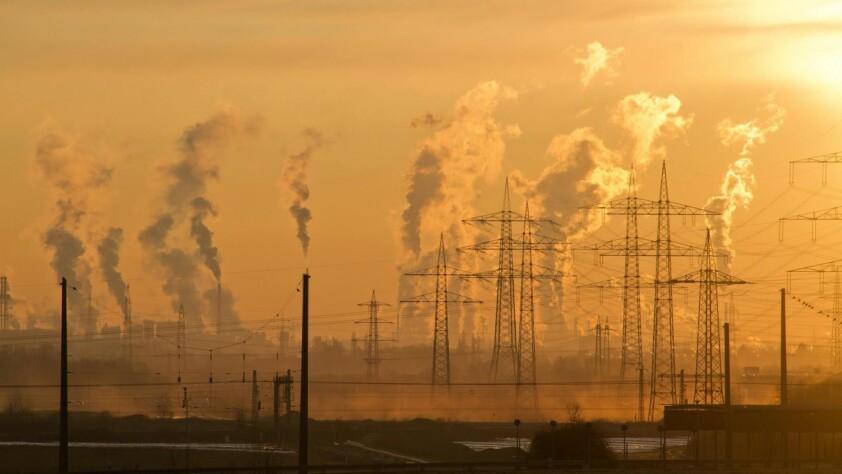
When explosions tore through major oil storage and refining facilities around Tehran earlier this year, the immediate focus was on the escalating military conflict. Yet as thick black smoke engulfed the skyline and residents reported breathing difficulties, headaches, and even blackened rainfall, scientists began uncovering another crisis unfolding in real time: an environmental disaster of extraordinary scale.
Researchers now estimate that the fires released nearly 30,000 tonnes of sulphur dioxide into the atmosphere, a level of pollution comparable to emissions produced by a moderate volcanic eruption. The findings have reignited concerns about the often-overlooked environmental consequences of modern warfare, particularly when fossil fuel infrastructure becomes a target.
While wars are frequently measured in terms of casualties and economic damage, environmental experts warn that the ecological scars left behind can persist for decades, affecting public health, ecosystems, agriculture, and climate systems long after the fighting stops.
Pollution Visible From Space
Satellite imagery captured vast plumes of smoke stretching across central Iran in the days following the attacks. Atmospheric monitoring systems detected unusually high concentrations of sulphur dioxide, nitrogen oxides, soot, and particulate matter being released into the air.
These pollutants are among the most harmful substances generated by fossil fuel combustion. When released in such concentrated amounts, they can travel hundreds or even thousands of kilometres depending on weather conditions.
Environmental researchers tracking the smoke plume noted that emissions drifted across parts of Central and South Asia, illustrating how environmental damage caused by conflict rarely remains confined within national borders.
The scale of the pollution event surprised many experts.
Volcanic eruptions are often regarded as some of the largest natural sources of atmospheric pollution. Yet the emissions generated by the burning oil depots and refinery complexes were significant enough for scientists to compare them directly to volcanic activity.
Unlike volcanic eruptions, however, these emissions originated entirely from human-made infrastructure, highlighting the environmental risks associated with global dependence on fossil fuel systems.
The Emergence of “Black Rain”
One of the most alarming consequences reported after the attacks was the appearance of what residents described as “black rain.”
Witnesses across parts of Tehran reported dark-coloured rainfall leaving oily residues on vehicles, buildings, and streets. Scientists explain that the phenomenon occurs when rainwater captures airborne pollutants and soot particles before falling back to the ground.
The oil fires produced massive quantities of smoke containing sulphur compounds, hydrocarbons, black carbon, and fine particulate matter. As a weather system moved across the region, these contaminants mixed with atmospheric moisture and were deposited through rainfall.
While technically similar to acid rain events documented around industrial centres, experts suggest the mixture likely contained a far wider range of toxic substances than typical acid rain.
Potential contaminants included:
- Sulphur dioxide
- Nitrogen oxides
- Heavy metals
- Polycyclic aromatic hydrocarbons (PAHs)
- Fine particulate matter (PM2.5)
- Oil-derived chemical residues
Many of these substances are associated with respiratory diseases, cardiovascular problems, neurological damage, and increased cancer risks following prolonged exposure.
A Public Health Emergency in the Making
For millions of people living in and around Tehran, the pollution event quickly evolved into a public health concern.
Medical experts warned that inhaling smoke from burning petroleum products can expose populations to a complex mixture of hazardous chemicals. Fine particulate pollution is particularly dangerous because particles small enough to enter the bloodstream can travel throughout the body, affecting organs far beyond the lungs.
Residents reported symptoms including:
- Breathing difficulties
- Persistent coughing
- Eye irritation
- Burning sensations in the throat
- Headaches
- Nausea
Children, elderly populations, and individuals with pre-existing respiratory conditions face the greatest risks.
Environmental health specialists have also expressed concern about longer-term exposure pathways. Pollutants deposited onto soil and water systems may continue affecting communities long after the visible smoke disappears.
In many cases, contamination can accumulate through food chains, groundwater systems, and agricultural production, creating risks that may not become fully apparent for years.
Climate Consequences Beyond the Immediate Damage
Beyond local air pollution, the destruction of fossil fuel infrastructure contributes directly to the climate crisis.
Burning oil storage facilities release enormous quantities of carbon dioxide, methane, black carbon, and other greenhouse gases. These emissions add to the already rising concentration of heat-trapping gases in the atmosphere.
Black carbon is particularly concerning because it absorbs sunlight and contributes to atmospheric warming while also reducing the reflectivity of snow and ice when deposited on glaciers or polar regions.
Environmental researchers note that conflicts involving energy infrastructure often create sudden bursts of emissions that can rival the annual carbon footprint of some smaller nations.
The irony is difficult to ignore.
Facilities responsible for producing fossil fuels—already among the largest contributors to global climate change—can become even larger pollution sources when damaged during armed conflict.
Lessons From Kuwait’s Oil Fires
The environmental consequences unfolding in Iran have drawn comparisons with one of the most infamous ecological disasters in modern history: the Kuwaiti oil fires of 1991.
During the Gulf War, retreating Iraqi forces ignited hundreds of oil wells, creating a months-long environmental catastrophe that released vast amounts of soot and pollutants into the atmosphere.
The fires darkened skies across the region, contaminated soil and water systems, harmed wildlife populations, and generated significant greenhouse gas emissions.
Decades later, environmental researchers continue studying the long-term effects of those fires on ecosystems and public health.
Experts fear that while the current situation in Iran may not reach the same scale, it demonstrates how vulnerable modern societies remain when energy infrastructure is caught in conflict zones.
Environmental Damage Often Outlasts the War
One of the greatest challenges facing scientists today is documenting environmental destruction in active conflict zones.
Limited access to affected sites, damaged monitoring networks, and security concerns make it difficult to assess the full extent of contamination.
Nevertheless, environmental organisations monitoring the conflict have already recorded hundreds of incidents involving pollution, industrial damage, fires, and contamination risks.
The impacts extend beyond air quality.
Potential environmental consequences include:
- Soil contamination from chemical fallout
- Groundwater pollution
- Agricultural damage
- Loss of biodiversity
- Marine pollution from oil spills
- Long-term ecosystem degradation
Recovery efforts often receive less attention than humanitarian reconstruction, meaning environmental damage can remain unresolved for decades.
In many regions affected by war, ecological recovery lags far behind economic rebuilding, leaving communities exposed to lingering health and environmental hazards.
The Hidden Environmental Cost of Modern Conflict
The events in Iran serve as a stark reminder that warfare increasingly intersects with environmental sustainability.
As global energy systems remain heavily dependent on oil and gas infrastructure, military strikes targeting these facilities risk creating environmental disasters that extend far beyond immediate battlefields.
Air pollution, greenhouse gas emissions, toxic rainfall, contaminated water supplies, and damaged ecosystems represent costs rarely included in official assessments of conflict.
Yet for affected communities, these impacts can be just as devastating as physical destruction.
Scientists warn that future international discussions about conflict, security, and climate policy must account for these environmental consequences. Without stronger protections for critical environmental infrastructure, the world risks creating pollution events that undermine decades of progress in public health and climate action.
The smoke rising from Tehran’s oil facilities may eventually dissipate, but the environmental legacy left behind could remain visible for generations.
References
- New Scientist – Attack on Iran’s Oil Released as Much Pollution as a Volcano
- The Guardian – Bombing of Iran’s Oil Infrastructure to Have Major Environmental Fallout, Experts Warn
- The Guardian – From Black Rain to Marine Pollution, the War in Iran is an Environmental Disaster
- Associated Press – Iran War’s Environmental Toll Could Leave Damage and Health Risks for Decades
- University College London (UCL) – Air Strikes Cause Black Rain and Unprecedented Pollution in Tehran, Scientists Say
- TIME – Tehran Shrouded in Toxic Smoke After Strikes on Fuel Infrastructure
- ABC News – What to Know About Black Rain That Fell in Iran After Strikes on Oil Reserves
- The Independent – Acid Rain Is Falling Over Parts of Iran – An Atmospheric Chemist Explains Why
- Conflict and Environment Observatory (CEOBS)
- World Health Organization (WHO)
- United Nations University Institute for Water, Environment and Health (UNU-INWEH)