|
Getting your Trinity Audio player ready...
|
Thailand, renowned for its stunning beaches, vibrant culture, and rich heritage, has long been a magnet for tourists from around the globe. However, beneath the surface of its bustling tourism industry lies a complex web of environmental challenges. As the number of visitors continues to surge, so too does the strain on Thailand’s delicate ecosystems, natural resources, and communities. In this article, we’ll delve into the significant environmental impact of tourism in Thailand, supported by statistics and explore potential solutions to mitigate these effects.
Deforestation and Habitat Destruction
Thailand’s lush forests are home to diverse flora and fauna, but they face increasing threats from tourism-related activities such as land development, infrastructure expansion, and illegal logging. According to the World Bank, Thailand’s forest cover has declined from 53% in 1961 to less than 32% in 2016. This loss of habitat disrupts fragile ecosystems, threatens endangered species, and contributes to soil erosion and loss of biodiversity.
Statistics from the Center for People and Forests (RECOFTC) reveal that between 2001 and 2018, Thailand lost an average of 72,000 hectares of forest per year. Much of this deforestation is driven by the demand for land to build hotels, resorts, and infrastructure to accommodate the growing number of tourists.
Marine Pollution and Coral Reef Degradation
Thailand’s picturesque coastlines and crystal-clear waters attract millions of beachgoers each year. However, the influx of tourists has taken a toll on the marine environment, leading to pollution, overfishing, and degradation of coral reefs.
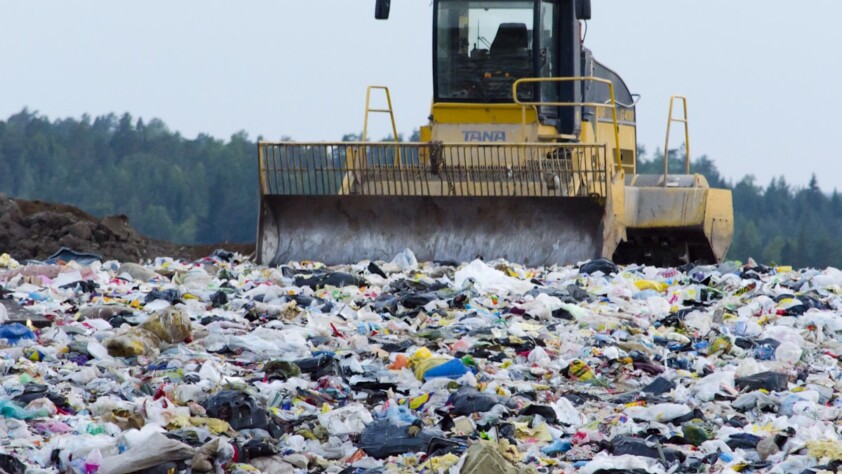
According to a report by the United Nations Environment Programme (UNEP), marine plastic pollution is a significant issue in Thailand, with an estimated 1.03 million tons of plastic waste generated annually. This plastic pollution not only harms marine life but also poses risks to human health and the tourism industry itself, as visitors are deterred by litter-strewn beaches and polluted waters.
Furthermore, coral reefs, vital for marine biodiversity and coastal protection, are under threat from activities such as snorkeling, diving, and anchor damage. The Department of Marine and Coastal Resources reports that Thailand has lost over 50% of its coral reefs in the past three decades, with tourism playing a significant role in this decline.
Water Scarcity and Pollution
Thailand’s water resources are under pressure due to the demands of a growing population and tourism industry. Tourist hotspots such as Bangkok and Phuket face water scarcity issues exacerbated by over-extraction, pollution from untreated wastewater, and inadequate infrastructure for water management.
Statistics from the Asian Development Bank (ADB) indicate that only 48% of wastewater in Thailand is treated before discharge, with the rest polluting rivers, lakes, and coastal areas. This contamination not only affects aquatic ecosystems but also poses risks to public health, as waterborne diseases become more prevalent.
Carbon Emissions and Air Pollution
The transportation sector, a cornerstone of the tourism industry, is a significant contributor to carbon emissions and air pollution in Thailand. The proliferation of cars, buses, and planes to cater to tourists has led to congested roads, urban smog, and poor air quality, particularly in popular destinations like Bangkok and Chiang Mai.
According to data from the International Energy Agency (IEA), Thailand’s CO2 emissions from fuel combustion have steadily increased over the past decade, reaching 292 million metric tons in 2019. The reliance on fossil fuels for transportation and energy generation exacerbates climate change and poses risks to public health.
Cultural and Social Impacts
While much of the focus is on the environmental consequences, tourism also has profound cultural and social impacts on Thailand’s communities. The influx of tourists can lead to overcrowding, cultural commodification, and loss of traditional livelihoods as communities pivot towards catering to visitor demands.
Statistics from the Ministry of Tourism and Sports reveal that international tourist arrivals to Thailand surpassed 39 million in 2019, putting immense pressure on local infrastructure, heritage sites, and cultural traditions. This influx of visitors, while beneficial for the economy, can erode the authenticity of local cultures and foster dependency on tourism revenue.
Mitigating the Impact: Strategies for Sustainable Tourism
Addressing the environmental impact of tourism in Thailand requires a multifaceted approach involving government regulations, industry initiatives, community involvement, and visitor awareness. Some potential strategies include:
- Regulatory Measures: Implementing and enforcing laws to protect natural habitats, regulate land use, and minimize pollution from tourism-related activities.
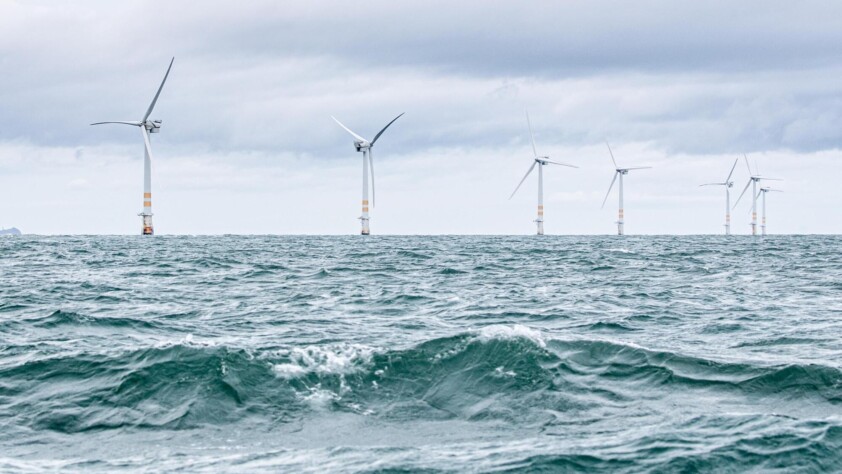
- Sustainable Infrastructure: Investing in eco-friendly infrastructure such as wastewater treatment plants, renewable energy systems, and efficient public transportation to reduce the carbon footprint of tourism.
- Community Engagement: Empowering local communities to participate in tourism planning and decision-making processes, promoting community-based tourism initiatives, and equitable revenue-sharing schemes.
- Education and Awareness: Raising awareness among tourists about responsible travel practices, conservation efforts, and cultural sensitivities through campaigns, signage, and educational programs.
- Certification and Standards: Encouraging tourism businesses to adopt sustainability certifications, adhere to environmental best practices, and support local conservation initiatives.
Conclusion
The environmental impact of tourism in Thailand is undeniable, with deforestation, marine pollution, water scarcity, and cultural degradation among the pressing challenges facing the country. However, by implementing sustainable tourism practices, promoting community involvement, and raising visitor awareness, Thailand can strike a balance between economic development and environmental preservation. Ultimately, the goal is to ensure that future generations can continue to enjoy Thailand’s natural beauty and cultural heritage for years to come.
Read more about the effects of tourism on the environment in Thailand on the Thailand Business News website.