|
Getting your Trinity Audio player ready...
|
As the world accelerates toward electrification—from transportation and manufacturing to communication and national infrastructure—one technology stands at the center of this transformation: the battery. Yet despite remarkable progress over the past decade, the lithium-ion battery that powers most of today’s devices is bumping against limits in safety, cost, lifespan, and environmental impact.
Now, a new generation of breakthrough battery technologies is emerging—some nearing commercialization, others still at the cutting edge of theoretical physics. Together, they promise safer materials, faster charging, longer lifespans, and dramatically lower environmental footprints. Many could reshape the global economy, redefine sustainability, and change how billions of people use and store energy.
This is a look at the technologies that may power the next century.
A New Era of Sustainable Energy Storage
From the rise of electric vehicles (EVs) to the expansion of renewable energy grids, the world’s demand for efficient and sustainable energy storage is skyrocketing. The International Energy Agency projects global battery demand will increase 17-fold by 2030, with EVs responsible for the majority of that surge.
But the lithium-ion batteries that power EVs, smartphones, and laptops today rely on scarce materials like cobalt and nickel, pose fire risks due to their flammable electrolytes, and require extensive mining that raises serious environmental and ethical concerns.
That is why researchers, startups, and multinational manufacturers are investing billions into alternatives offering:
- Safer chemistries
- Lower costs and more abundant materials
- Faster charging
- Higher energy density
- Longer operating life
- Smaller carbon footprints
Some of these innovations could begin appearing in commercial products within just a few years. Others could take decades. But all could be transformative.
Why Energy Storage Matters: The Missing Link in a Renewable World
As global energy systems transition away from fossil fuels toward cleaner alternatives like wind and solar, a critical challenge has come sharply into focus: where to store all that energy.
Renewable generation is inherently intermittent — the sun sets, the wind slows, and weather patterns shift unpredictably. Without storage, enormous amounts of potential power are wasted. Today, much of this renewable energy is lost simply because the grid cannot absorb or distribute it fast enough.
The World’s Largest Bottleneck
Despite rapid growth in solar and wind installations, the world is desperately short of grid-scale energy storage, the backbone required to stabilize an emissions-free power system. According to the International Energy Agency, global storage capacity must increase sixfold by 2030 just to support current climate pledges — a target nations are nowhere near meeting.
“Renewables are now cheap and plentiful. What we lack is the ability to store them.”
Why Storage Is Critical
Battery storage solves several essential problems:
- Smoothing supply and demand: It prevents blackouts by supplying power instantly during lulls in generation.
- Capturing surplus energy: Excess production from wind and solar can be stored rather than wasted.
- Strengthening grid resilience: Storage acts as a buffer during storms, outages, cyberattacks, or equipment failures.
- Reducing dependence on fossil fuels: Without storage, natural gas peaker plants remain necessary to compensate for renewables’ variability.
- Empowering remote communities: Off-grid villages, islands, and industrial operations can rely on local microgrids instead of costly fuel imports.
What the World Is Missing Today
Despite progress, current storage options suffer from several shortcomings:
- Short lifespans: Most lithium-ion grid batteries last around 8–12 years.
- High costs: Battery storage remains more expensive than fossil backup systems in many regions.
- Supply chain constraints: Global lithium, cobalt, and nickel supplies are stretched thin.
- Fire risks: Thermal runaway in lithium-ion systems requires strict safety protocols.
- Insufficient capacity: Existing storage installations can power a city for hours — but we need storage that lasts days or weeks, especially as extreme weather events increase.
The Role of Next-Generation Batteries
The emerging technologies discussed in this article — like sodium-ion, zinc, lithium-sulfur, and solid-state — aim to fill those gaps by offering:
- Longer life and deeper discharge (ideal for grid use)
- Lower costs through abundant materials
- Improved safety in hot climates or dense urban areas
- Massive scalability needed for national infrastructure
- Sustainable end-of-life pathways to avoid hazardous waste
Together, they represent more than incremental upgrades; they offer a blueprint for a stable, fully decarbonized global energy system.
Flint Paper Batteries: Power That Comes From the Forest
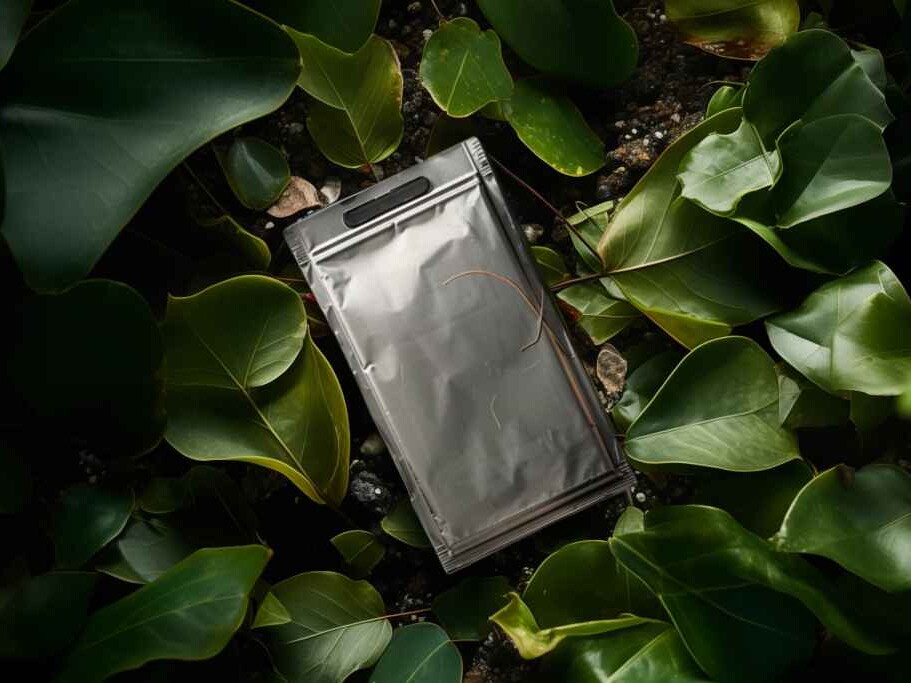
One of the most promising—and unconventional—emerging technologies is the Flint Paper Battery, a water-based, fully compostable power source built almost entirely from renewable and non-toxic materials.
Developed with a deep focus on sustainability, Flint batteries use plant-based materials, specialized paper substrates, and non-flammable electrolytes. They are designed to offer performance comparable to early-generation lithium-ion batteries but with a dramatically lower environmental footprint.
Why It Matters
Flint Paper Batteries aim to eliminate the “green premium” associated with sustainable technologies by offering a lower-cost, recyclable, and biodegradable alternative. At end-of-life, they can be composted rather than becoming toxic e-waste—a growing crisis as more than 50 million tons of electronics are discarded globally each year.
“Compostable energy storage could redefine what a circular battery economy looks like.”
This makes the technology especially compelling for disposable electronics, IoT sensors, medical devices, and industries seeking to reduce reliance on rare minerals.
Solid-State Batteries: The Holy Grail of Battery Safety and Performance

Among all next-generation battery technologies, solid-state batteries (SSBs) capture the most public and industry excitement. Instead of the liquid electrolyte used in lithium-ion cells, SSBs use a solid ceramic or polymer electrolyte.
Key Advantages
- Far safer: The solid electrolyte is non-flammable, eliminating the risk of thermal runaway.
- Higher energy density: Expected to deliver 50–100% more range in EVs.
- Faster charging: Potential to recharge in 10–15 minutes.
- Longer lifespan: Degradation is significantly reduced.
Toyota, one of the world’s most influential auto manufacturers, announced plans to launch an EV with a solid-state battery by 2027, a milestone that could reshape the market.
Challenges
Despite enormous potential, the technology faces hurdles, including:
- High manufacturing costs
- Fragile electrolyte materials
- Dendrite formation at high charging speeds
Still, with billions in investment from Toyota, QuantumScape, Samsung, and other giants, commercial SSBs may arrive sooner than skeptics expect.
Sodium-Ion Batteries: A Cheaper, Planet-Friendly Contender

With the price of lithium jumping more than tenfold during the early 2020s, the search for alternatives intensified. Sodium-ion batteries emerged as one of the most viable contenders.
Why Sodium?
- Abundant and inexpensive: Sodium is 1000× more abundant than lithium.
- Safer chemistry: More stable at high temperatures.
- Reduced reliance on critical minerals: Eliminates cobalt and nickel entirely.
Major manufacturers such as CATL have already begun mass production, and several EV makers plan to integrate sodium-ion packs into low-cost models in the coming years.
While sodium-ion batteries currently lag behind lithium-ion in energy density, rapid improvements—especially with solid sodium-ion prototypes—are closing that gap.
A Game-Changer for Grid Storage
Their durability, low cost, and high safety profile could make sodium-ion batteries ideal for renewable energy storage, where price per kilowatt-hour often matters more than compact size.
Zinc-Based Batteries: Designed to Last a Century
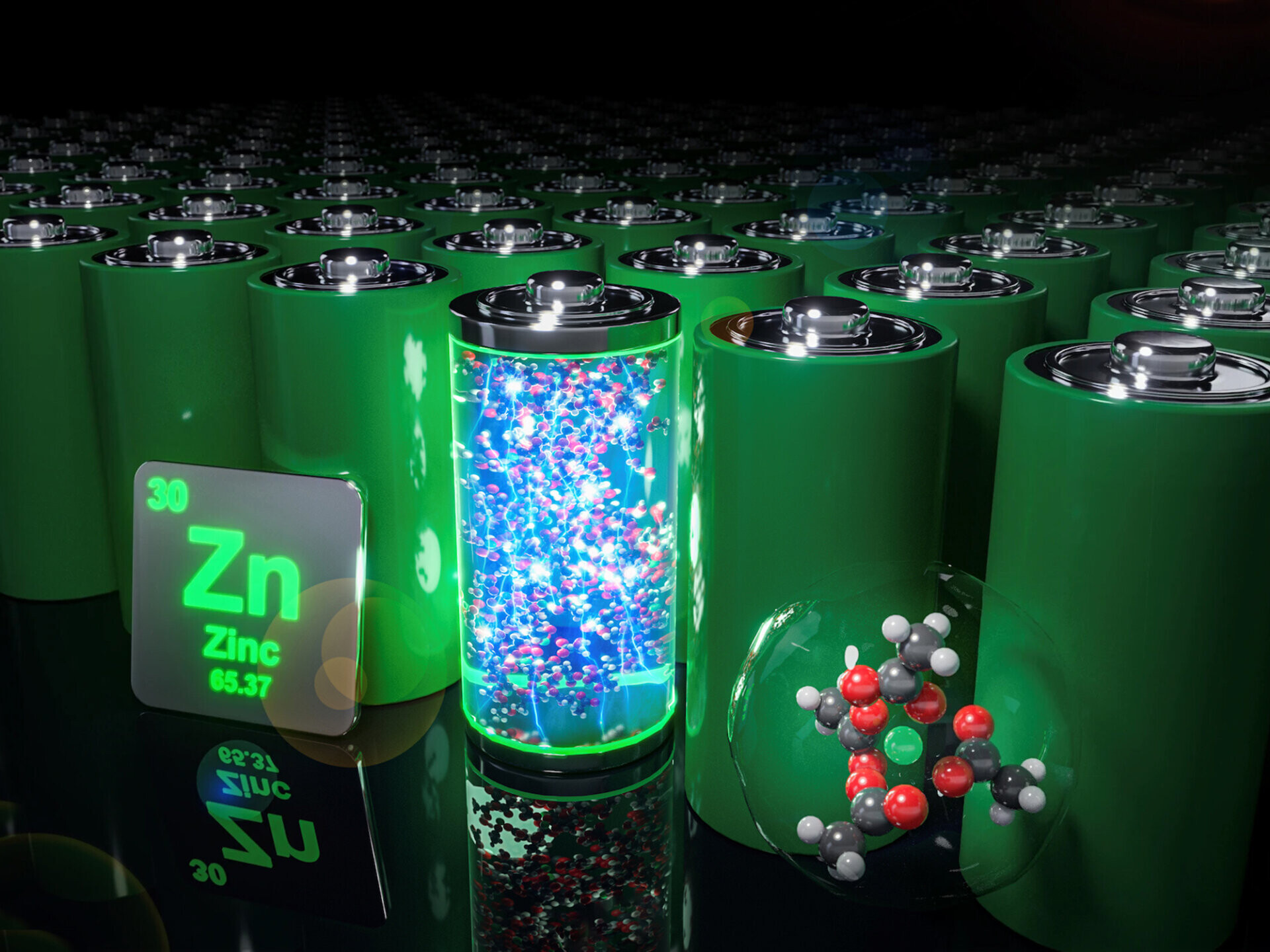
Zinc batteries are gaining momentum thanks to their remarkable safety and impressive longevity. Zinc is abundant, inexpensive, and non-flammable. It also works well in water-based electrolytes, which eliminates most fire risks.
A Breakthrough in Durability
A new generation of zinc-organic batteries has demonstrated:
- 93% capacity retention after 40,000 cycles,
suggesting they could last 100 years or more in certain applications.
This endurance exceeds that of almost all commercial rechargeable batteries.
“A battery that lasts a century could transform solar energy storage economics.”
Applications
- Solar and wind power storage
- Off-grid infrastructure
- Industrial backup systems
- Long-life consumer products
While not ideal for electric vehicles—due to lower energy density—zinc batteries are strong contenders for replacing lithium in grid-scale storage systems.
Lithium-Sulfur Batteries: Twice the Energy in the Same Space

Lithium-sulfur (Li-S) batteries are attracting attention for their potential to deliver 2× the energy density of lithium-ion cells, enabling lighter batteries with far longer range.
Why Sulfur Is Promising
- Ultra-lightweight: Ideal for aviation, drones, and space applications.
- Very abundant: Sulfur is a byproduct of industrial refining.
- Lower cost: Materials are significantly cheaper than lithium-ion components.
Early prototypes suffered from rapid degradation, but new electrolyte formulations and cathode designs have extended cycle life dramatically. Several companies are preparing for commercial rollout in the next few years.
Future Use Cases
- Long-range electric aircraft
- Cargo drones
- Next-generation mobile electronics
If the technology scales successfully, Li-S could redefine the upper limits of energy storage.
Quantum Batteries: When Physics Rewrites the Rules

Quantum batteries represent one of the most radical approaches to energy storage. Still in the theoretical and early-experimental phase, these devices rely on quantum mechanics to store energy in photons within organic molecules.
Their most astonishing feature is superabsorption:
the bigger the battery, the faster it can charge.
This turns conventional battery logic upside down. In theory, sufficiently large quantum batteries could charge instantaneously—a concept that breaks current technological limits.
Practical Applications
While quantum batteries are unlikely to power EVs anytime soon, they hold promise for:
- Highly efficient solar energy harvesting
- Ultra-small electronic devices
- Photonic computing
For now, quantum batteries remain largely a research frontier, but progress is accelerating.
Diamond (Nuclear) Batteries: Power for 5,730 Years

Perhaps the most otherworldly innovation on this list is the diamond battery, also known as a radioisotope micro-battery. These devices generate electricity from the slow decay of radioactive isotopes—often Carbon-14, a waste product of nuclear reactors.
Encased in synthetic diamond, the radiation is safely contained while the decay generates a small but steady current.
The Numbers Are Staggering
A Carbon-14 diamond battery retains 50% of its power after 5,730 years, giving it a lifespan unmatched by any other energy source.
Applications
These batteries are not designed for EVs, phones, or consumer appliances. Instead, they serve in scenarios where changing a battery is impossible:
- Deep-space missions
- Remote environmental sensors
- Underground communication systems
- Medical implants
- Military devices
Their small output but extreme longevity opens entirely new categories of engineering.
The Global Battery Race: Who Will Lead the Future?
Governments and corporations worldwide are investing heavily in next-generation batteries. The U.S., EU, China, Japan, and South Korea all view advanced energy storage as a strategic priority tied to national security, economic growth, and climate goals.
Key Players
- Toyota, Panasonic, Samsung: Solid-state development
- CATL, BYD: Sodium-ion commercialization
- Startups like QuantumScape, Sila Nanotechnologies, NDB: Solid-state, silicon-anode, and diamond battery innovation
- University research labs worldwide: Quantum and organic battery breakthroughs
The race is not just technological. It is also geopolitical. Nations that lead in battery innovation will control supply chains, dominate export markets, and shape global energy policy.
Environmental Considerations: Toward a Circular Battery Economy
As concerns grow about lithium mining, cobalt sourcing, and e-waste, next-generation battery technologies focus increasingly on sustainability.
Flint Paper Batteries and sodium-ion chemistries reduce reliance on scarce minerals. Zinc and sulfur are abundant and inexpensive. Solid-state batteries eliminate flammable chemicals and may last far longer, reducing waste.
“The future of batteries is not only about performance—it’s about responsibility.”
Emerging technologies aim to enable a truly circular economy where materials can be reused, recycled, or harmlessly returned to the environment.
Challenges Ahead
Even the most promising breakthroughs face hurdles, including:
Manufacturing Scale
New chemistries require new factories, supply chains, and standards.
Cost Competitiveness
Lithium-ion production has achieved enormous economies of scale that are difficult for new technologies to match initially.
Safety and Reliability Testing
Batteries must undergo rigorous testing before being used in cars, aircraft, or critical infrastructure.
Regulatory Adaptation
Standards must evolve to accommodate unfamiliar materials and behaviors.
Despite these challenges, momentum is on the side of innovation. Experts agree that the dominant battery of 2050 may be something that barely exists today.
Conclusion: A Once-in-a-Century Energy Revolution
The world is standing at the edge of a revolution in energy storage. Whether through biodegradable paper batteries, century-long zinc cells, ultra-dense lithium-sulfur designs, or even quantum-powered devices that challenge our understanding of physics, the next wave of battery technologies could reshape industries, economies, and daily life.
These innovations will not only power the cars, cities, and communications networks of the future—they may redefine what is possible in sustainability, space exploration, medicine, and beyond.
The race to build the battery of tomorrow has begun. And the world is watching.
References & Further Reading
- Toyota solid-state battery announcements: https://global.toyota/en
- CATL sodium-ion battery release: https://www.catl.com/en
- Research on quantum superabsorption: https://www.nature.com/articles/s41586-020-03079-8
- Zinc-organic battery cycling studies: https://www.science.org
- Papers on lithium-sulfur improvements: https://www.nature.com
- Radioisotope diamond battery research (NDB): https://ndb.technology