|
Getting your Trinity Audio player ready...
|
For years, renewable energy has been framed as either the silver bullet for climate change—or an unrealistic dream riddled with flaws. As governments, including the UK, accelerate toward net zero targets, misinformation risks slowing critical progress.
From concerns about reliability to claims of environmental harm, many of the most common arguments against renewable energy don’t stand up to scrutiny. Here, we examine five persistent myths—and what the evidence actually shows.
Myth 1: Renewable Energy Is Unreliable
One of the most enduring criticisms is that renewables like wind and solar cannot provide consistent power due to their dependence on weather conditions.
The reality:
While generation can fluctuate, modern energy systems are increasingly designed to balance supply and demand. Advances in battery storage, grid interconnectors, and diversified energy mixes mean renewables can deliver stable electricity.
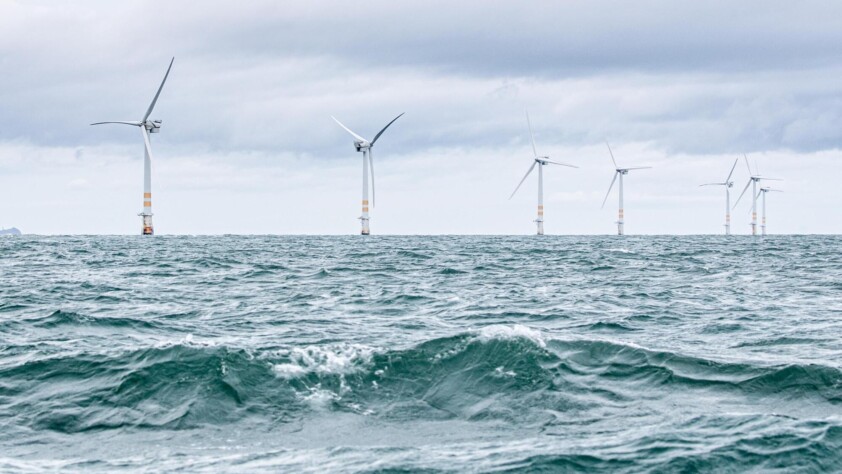
In the UK, offshore wind—now a cornerstone of the energy mix—continues to expand, supported by storage technologies and flexible grids. Rather than being unreliable, renewables are becoming more predictable as forecasting improves.
Myth 2: Renewable Energy Is Too Expensive
Critics often argue that renewable energy is a costly alternative to fossil fuels.
The reality:
Costs have dropped dramatically over the past decade. Solar and wind are now among the cheapest sources of new electricity in many parts of the world, including the UK.
While upfront infrastructure investment is required, long-term operational costs are significantly lower because sunlight and wind are free. In contrast, fossil fuels are subject to volatile global prices, as seen during recent energy crises.
Myth 3: Renewable Energy Harms the Environment
Some argue that wind turbines harm wildlife or that solar farms damage ecosystems.
The reality:
All energy sources have environmental impacts—but renewables are significantly less harmful than fossil fuels. Properly managed wind farms use mitigation strategies to protect bird populations, while solar farms can support biodiversity when designed with pollinator-friendly habitats.
By contrast, fossil fuel extraction and combustion remain the leading drivers of climate change, air pollution, and habitat destruction globally.
Myth 4: Renewable Energy Can’t Meet Global Demand
A common belief is that renewables simply cannot scale to meet the world’s growing energy needs.
The reality:
Renewable capacity is expanding at record speed. Countries across Europe are already generating significant portions of their electricity from renewables, with the UK achieving major milestones in wind power generation.
Combined with energy efficiency improvements and electrification, renewable systems are increasingly capable of meeting demand—especially when supported by storage and smart grid technologies.
Myth 5: Renewable Energy Is Only a Short-Term Fix
Some critics claim renewables are a temporary solution and cannot support long-term energy security.
The reality:
Renewables are central to long-term climate strategies, including the UK’s legally binding net zero targets. Emerging technologies such as green hydrogen, advanced storage, and smart grids are strengthening their role in future energy systems.
Far from being a stopgap, renewable energy is the foundation of a sustainable, resilient energy future.
The Bigger Picture: Why These Myths Matter
Misinformation about renewable energy doesn’t just distort public understanding—it can delay policy decisions, investment, and infrastructure development at a time when climate action is urgent.
As the science becomes clearer and technology advances, the gap between perception and reality continues to shrink. The transition to renewable energy is no longer a question of “if,” but “how fast.”
For the UK and the wider world, addressing these myths is critical—not just for energy policy, but for protecting ecosystems, reducing emissions, and securing a stable climate future.
References
- National Geographic (2026). Five Common Renewable Energy Myths Explained
- International Energy Agency – Renewables 2025 Report
- UK Department for Energy Security and Net Zero – UK Energy Trends & Net Zero Strategy
- Intergovernmental Panel on Climate Change – Sixth Assessment Report
- Our World in Data – Renewable Energy Cost and Adoption Data