|
Getting your Trinity Audio player ready...
|
In a world facing environmental challenges at an unprecedented scale, organizations dedicated to preserving and protecting our planet’s natural resources are of paramount importance. Among these organizations, The Nature Conservancy (TNC) stands out as a global leader in conservation efforts. Committed to safeguarding the lands and waters that sustain all life on Earth, TNC’s work spans across the continents, from protecting fragile ecosystems to advocating for innovative conservation solutions. In this article, we will explore the mission, approach, and impact of The Nature Conservancy, which has played a pivotal role in shaping the future of our planet.
The Nature Conservancy’s Mission
TNC’s mission is elegantly simple yet profoundly ambitious: “to conserve the lands and waters on which all life depends.” Founded in 1951, the organization has adhered to this mission for more than seven decades, recognizing the interconnectedness of all living creatures and the fundamental importance of our natural world.
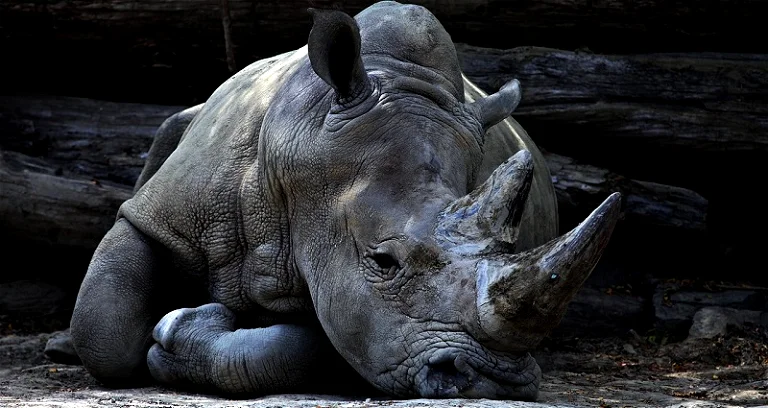
At its core, The Nature Conservancy seeks to address the most critical environmental challenges, from preserving biodiversity and protecting endangered species to combating climate change and ensuring a sustainable future for generations to come.
A Global Presence
With a presence in over 70 countries and territories, The Nature Conservancy operates on a global scale. The organization’s worldwide reach allows it to address diverse conservation challenges, from safeguarding coral reefs in the Caribbean to preserving the vast grasslands of the African savanna.
TNC’s global network leverages local knowledge and expertise, ensuring that conservation efforts are tailored to the unique ecological, cultural, and social contexts of each region.
A Science-Based Approach
The Nature Conservancy is renowned for its science-based approach to conservation. Rigorous research, data collection, and analysis underpin the organization’s initiatives. By using the latest scientific insights, TNC can develop innovative solutions that are both effective and sustainable.
TNC’s scientific research encompasses a wide range of environmental issues, including climate change, marine ecosystems, freshwater resources, and land management. The organization’s commitment to data-driven conservation has yielded transformative results.
Key Areas of Focus
The Nature Conservancy’s work covers a broad spectrum of conservation efforts. Some of its key areas of focus include:
- Land Conservation: TNC acquires and manages lands of ecological significance, safeguarding critical habitats for native plants and animals. This includes the protection of forests, grasslands, wetlands, and more.
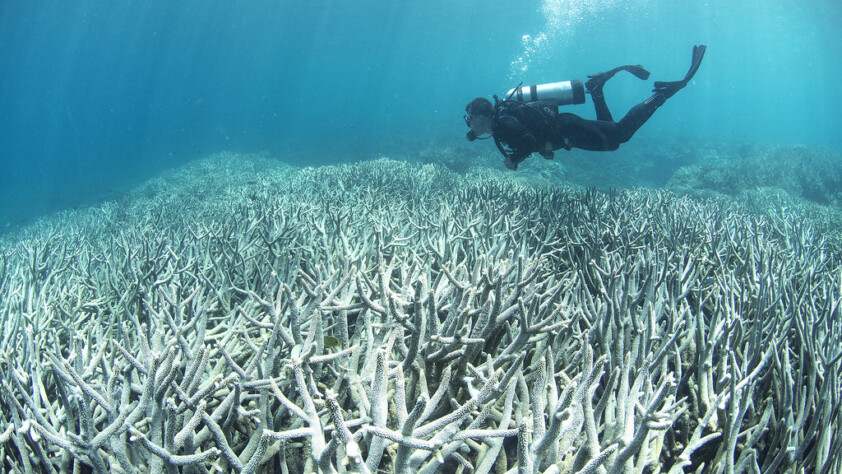
- Marine Conservation: The organization works to preserve marine ecosystems, from coral reefs to seagrass meadows. Marine conservation is essential for maintaining biodiversity, supporting fisheries, and mitigating climate change.
- Climate Change Mitigation: TNC addresses climate change through strategies such as reforestation, carbon sequestration, and renewable energy projects. Its efforts contribute to reducing greenhouse gas emissions and slowing global warming.
- Freshwater Conservation: Water is a precious resource, and TNC focuses on protecting rivers, lakes, and aquifers. Its initiatives aim to ensure clean and abundant freshwater for both people and nature.
- Urban Conservation: Recognizing that more than half of the world’s population lives in urban areas, TNC works to make cities more sustainable and resilient, promoting a harmonious coexistence between people and nature.
- Sustainable Agriculture: TNC collaborates with farmers and agricultural communities to promote sustainable land use practices, reduce agricultural runoff, and protect vital ecosystems.
- Indigenous Partnerships: The organization engages with Indigenous communities to support their conservation efforts and uphold Indigenous knowledge and land management practices.
Innovative Conservation Solutions
TNC is known for its innovative conservation solutions, driven by a commitment to finding sustainable and effective ways to protect the natural world. Some of these solutions include:
- Conservation Finance: TNC has pioneered innovative financing mechanisms for conservation, such as green bonds, which raise funds for environmental projects. These financial tools help bridge the gap between economic development and ecological preservation.
- Science and Technology: The organization harnesses cutting-edge technology, from remote sensing to artificial intelligence, to monitor and manage ecosystems, identify conservation priorities, and enhance decision-making processes.
- Resilient Cities: TNC supports the development of resilient urban areas that can withstand the impacts of climate change, from flooding to extreme heat events.
- Eco-Entrepreneurship: TNC fosters eco-entrepreneurship by promoting sustainable business practices that benefit both the environment and local economies.
Conservation Success Stories
Over the years, The Nature Conservancy has achieved numerous conservation successes, demonstrating the impact of its work. Some notable accomplishments include:
- Palmyra Atoll: TNC’s management of Palmyra Atoll, a remote Pacific island, has led to the restoration of native species, including seabirds and turtles.
- Working Woodlands: The organization has developed sustainable forestry practices that protect natural habitats while providing economic benefits to local communities.
- Water Funds: TNC’s establishment of water funds in Latin America has safeguarded vital water sources and supported rural communities.
- Marine Reserves: By advocating for marine reserves, TNC has helped protect critical ocean ecosystems, allowing marine life to flourish and regenerate.
Challenges and Future Initiatives
While TNC has made significant strides in the realm of conservation, there are still formidable challenges ahead. Climate change, habitat loss, and the decline of biodiversity remain urgent issues that demand continued attention and innovative solutions.
The organization’s future initiatives include:
- Climate Resilience: TNC will continue to focus on building resilience to climate change, both in natural ecosystems and human communities.
- Biodiversity Conservation: Protecting endangered species and preserving biodiversity is an ongoing priority.
- Advocacy and Policy: TNC engages in policy advocacy to promote sustainable practices and protect critical natural areas.
- Community Engagement: The organization will further strengthen its relationships with local communities, recognizing that conservation efforts are most effective when driven by a collective commitment.
Conclusion
The Nature Conservancy’s dedication to conserving the lands and waters on which all life depends has left an indelible mark on the global conservation landscape. With a science-based approach, innovative solutions, and a network of passionate individuals, TNC continues to work towards a more sustainable and harmonious relationship between humanity and the natural world.
As the challenges of climate change and environmental degradation persist, The Nature Conservancy’s mission remains as relevant and urgent as ever. Through collaboration, scientific expertise, and a deep commitment to conservation, TNC stands at the forefront of the battle to protect and preserve the planet’s invaluable natural resources for generations to come.