|
Getting your Trinity Audio player ready...
|
Glastonbury Festival, the iconic and world-renowned music extravaganza, has been drawing massive crowds and hosting legendary performances since its inception in 1970. However, as the festival has grown in scale and popularity, so too has its environmental impact come under scrutiny. In an era where sustainability and eco-consciousness are at the forefront of global conversations, examining the ecological footprint of such large-scale events becomes imperative. In this article, we delve into the environmental impact of Glastonbury Festival, exploring key statistics and initiatives aimed at mitigating its carbon footprint.
The Evolution of Glastonbury Festival
Glastonbury Festival, held annually at Worthy Farm in Somerset, England, has evolved from its humble beginnings as a small gathering of 1,500 people paying £1 for entry into a global cultural phenomenon. Today, the festival attracts over 200,000 attendees from around the world, showcasing a diverse array of musical genres and performances.
Environmental Impact: A Deep Dive
- Waste Management:
One of the most significant environmental concerns associated with large-scale events like Glastonbury is waste generation. The sheer volume of disposable items, ranging from single-use plastics to discarded camping equipment, poses a significant challenge. According to statistics from recent editions of the festival, over 1,000 tons of waste were generated during the 2019 event alone. The festival has, however, made strides in waste management initiatives. Glastonbury has been actively promoting a “Love Worthy Farm, Leave No Trace” ethos. In 2019, over 70% of the waste generated was recycled, demonstrating a commitment to minimizing the environmental impact. - Carbon Emissions:
The transportation of attendees to and from the festival site, as well as the energy consumption during the event, contribute to Glastonbury’s carbon footprint. The festival organizers have implemented measures to offset these emissions, including promoting public transportation and investing in renewable energy sources. According to data from the festival organizers, Glastonbury Festival 2019 generated approximately 28,364 tonnes of CO2e (carbon dioxide equivalent). This includes emissions from travel, power consumption, and other logistical aspects. The organizers have been working to offset these emissions through various initiatives, such as tree planting and investments in renewable energy projects. - Water Usage:
The sheer number of attendees necessitates significant water consumption for sanitation, food preparation, and general use. Glastonbury has made strides in reducing its water footprint by implementing water-saving measures and promoting awareness among festival-goers. In 2019, the festival managed to save over 200,000 liters of water through these initiatives. Additionally, Glastonbury has been exploring ways to harness natural resources sustainably. The use of rainwater harvesting systems has been one such initiative aimed at reducing reliance on external water sources. - Biodiversity and Land Impact:
The massive influx of festival-goers onto the farm’s grounds inevitably has an impact on local biodiversity and the landscape. The organizers have been working with environmental consultants to minimize this impact, implementing measures such as controlled access areas and eco-friendly infrastructure. Glastonbury Festival has also been involved in rewilding efforts, allowing certain areas of the farm to return to a more natural state. This commitment to biodiversity preservation aligns with broader global efforts to balance human activities with ecological conservation.
Initiatives for a Greener Glastonbury
- Powering the Festival with Renewable Energy:
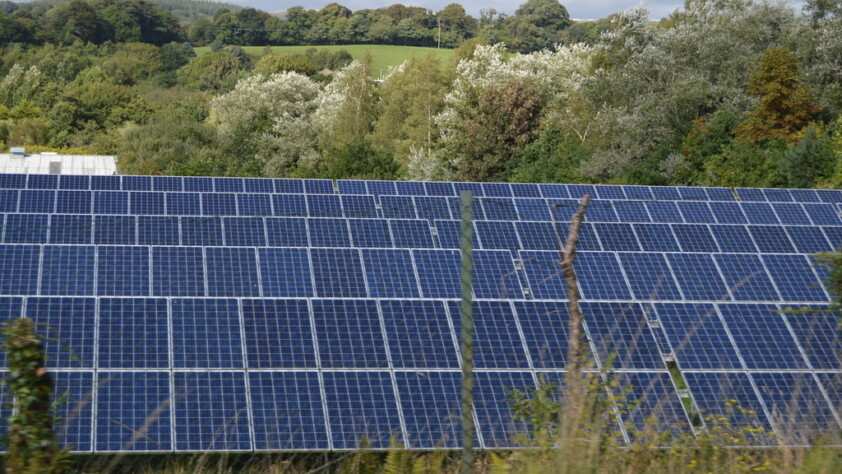
Glastonbury has been actively transitioning towards renewable energy sources to power the event. In recent years, solar panels and wind turbines have been utilized to generate electricity, reducing the reliance on non-renewable energy. The festival aims to be powered entirely by renewable energy in the near future. - Promoting Sustainable Travel:
Recognizing the environmental impact of travel, particularly by car, Glastonbury has implemented measures to encourage more sustainable transportation options. The festival actively promotes public transportation, with shuttle services connecting major cities to the site. Initiatives like carpooling incentives and bike rental programs have also been introduced to reduce the carbon footprint of travel to and from the festival. - Zero Single-Use Plastic Pledge:
Single-use plastics have long been a major environmental concern, and Glastonbury has taken steps to address this issue. In 2019, the festival pledged to go plastic-free by banning the sale of single-use plastic bottles on-site. Instead, attendees were encouraged to use reusable water bottles provided at water refill stations. This initiative, while ambitious, represents a significant step towards reducing plastic waste at the festival. - The Green Fields:
The Green Fields at Glastonbury Festival serve as a hub for eco-conscious initiatives and sustainable living demonstrations. This area showcases alternative energy sources, permaculture practices, and sustainable living solutions. It not only educates festival-goers but also inspires them to adopt more environmentally friendly lifestyles beyond the festival.
Conclusion
Glastonbury Festival’s journey towards sustainability reflects the broader global movement towards eco-conscious living and responsible event management. While challenges remain, the festival’s commitment to mitigating its environmental impact is evident through various initiatives and statistical improvements.
As Glastonbury continues to evolve, striking a balance between providing an unforgettable experience for music enthusiasts and minimizing its ecological footprint remains a priority. The statistics presented here highlight both the challenges and successes in the festival’s ongoing quest for environmental sustainability. As the world grapples with the urgent need for climate action, Glastonbury Festival stands as a testament to the transformative power of large-scale events embracing eco-friendly practices.