|
Getting your Trinity Audio player ready...
|
Fast fashion, a term coined to describe the rapid production of inexpensive, trendy clothing that quickly moves from the runway to retail stores, has become a dominant force in the fashion industry. Brands like Primark and Shein have gained immense popularity for offering affordable and stylish clothing at a pace that leaves traditional fashion cycles in the dust. However, behind the glamour and low prices lie significant environmental concerns that are shaping the narrative around these brands.
The Rise of Fast Fashion
Fast fashion emerged in the late 20th century as a response to consumer demand for constantly changing styles at affordable prices. With the rise of globalization and advancements in manufacturing technology, brands like Primark and Shein have been able to exploit low-cost labor markets and streamline production processes to deliver new collections at an unprecedented speed.
The Environmental Impact
- Waste Generation and Landfills:
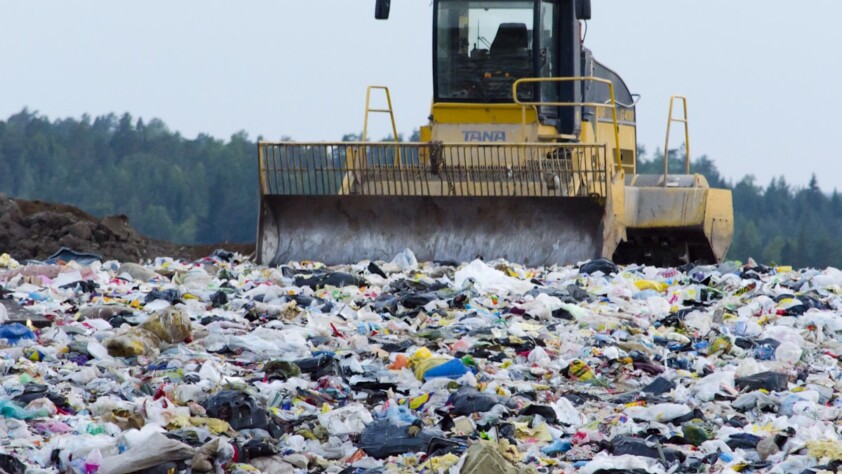
One of the most pressing issues associated with fast fashion is the enormous amount of waste it generates. According to the Environmental Protection Agency (EPA), the average American throws away about 70 pounds of clothing and other textiles each year. The cheap and disposable nature of fast fashion contributes significantly to this problem. Products from Primark and Shein, designed for short-term use and rapid replacement, often end up in landfills, exacerbating the environmental impact. - Water Consumption:
The production of fast fashion items requires vast amounts of water. From growing cotton to dyeing fabrics, water is a critical resource in the fashion industry. According to the World Wildlife Fund (WWF), it takes approximately 2,700 liters of water to produce one cotton T-shirt – a staggering number considering the millions of garments produced by fast fashion brands annually. The rapid turnover of clothing exacerbates this issue, creating a continuous demand for water-intensive processes. - Chemical Pollution:
The dyeing and finishing processes involved in fast fashion often rely on a myriad of chemicals. These chemicals, including hazardous dyes and finishing agents, are not only harmful to the environment but also pose risks to the health of workers in the fashion supply chain. Reports from environmental organizations highlight the toxic substances released into waterways from textile factories, contributing to pollution and threatening ecosystems.
Primark: The High Street Giant
Primark, an Irish fast-fashion retailer with a significant global presence, is known for its low prices and a rapid turnover of clothing collections. While it has gained a massive customer base for offering affordable fashion, its business model has raised several environmental concerns.
- Mass Production and Low Quality:
Primark’s strategy revolves around mass production and low-quality materials, contributing to a culture of disposable fashion. The company’s products are designed to be worn a few times before being discarded, leading to a cycle of constant consumption and disposal. This model puts immense pressure on resources and exacerbates environmental degradation. - Ethical Concerns:
Beyond environmental issues, Primark has faced criticism for its ethical practices. The brand has been linked to instances of labor exploitation in its supply chain. Reports of low wages, poor working conditions, and a lack of workers’ rights have raised questions about the human cost of producing cheap, fast fashion. - Packaging Waste:
The packaging of Primark products also contributes to environmental issues. Excessive and non-biodegradable packaging adds to the overall waste generated by the brand. As consumers are drawn to the affordability of Primark’s products, the environmental impact of packaging is often overlooked.
Shein: The Online Fashion Phenomenon
Shein, a Chinese e-commerce giant, has rapidly become one of the most popular online destinations for fast fashion. While its success is built on affordability, variety, and speed, Shein’s environmental impact has come under scrutiny.
- Rapid Production Cycles:
Shein’s business model relies on a remarkably fast production cycle. The company is known for quickly identifying and replicating the latest trends, bringing them to market at record speed. This relentless pace contributes to the overconsumption of clothing and the subsequent environmental fallout. - Supply Chain Opacity:
Shein has faced criticism for the lack of transparency in its supply chain. The opacity surrounding the sourcing and production of its garments makes it challenging to assess the environmental and ethical practices within the company. Without clear information on the origin of materials and the conditions in which products are made, consumers are left in the dark about the true cost of their purchases. - Overproduction and Returns:
The convenience of online shopping has led to an increase in impulse purchases, contributing to overproduction and a high rate of product returns. Shein’s lenient return policy encourages customers to order multiple items, try them on at home, and return what they don’t want. This cycle of overproduction and returns further strains environmental resources and contributes to the carbon footprint associated with shipping.
The Way Forward
The environmental impact of fast fashion is undeniable, and consumers, brands, and policymakers all play crucial roles in addressing this issue.
- Consumer Awareness:
Educating consumers about the environmental and ethical implications of fast fashion is vital. By making informed choices and supporting sustainable alternatives, consumers can drive change in the industry. Initiatives promoting conscious consumption, such as clothing swaps, second-hand shopping, and the embrace of sustainable brands, can contribute to a shift in consumer behavior. - Industry Accountability:
Brands like Primark and Shein need to take responsibility for their environmental impact. Implementing sustainable practices, reducing waste, and ensuring transparency in the supply chain are essential steps toward minimizing the ecological footprint of fast fashion. Brands should also invest in ethical labor practices to ensure fair working conditions for the people producing their garments. - Regulatory Measures:
Governments and regulatory bodies must play a role in curbing the environmental impact of fast fashion. Implementing and enforcing regulations that limit waste, water consumption, and chemical use in the fashion industry can encourage sustainable practices. Financial incentives and penalties can also guide companies towards more environmentally friendly choices. - Innovation and Technology:
The development and adoption of sustainable materials and manufacturing processes are crucial for the future of fashion. Innovations in circular fashion, where products are designed for durability and recyclability, can significantly reduce the environmental impact of the industry. Investments in research and development can pave the way for a more sustainable future.
Conclusion
The impact of fast fashion on the environment is profound, with brands like Primark and Shein playing significant roles in shaping this narrative. As consumers become more conscious of their choices, the industry is slowly evolving to embrace sustainability. However, addressing the environmental toll of fast fashion requires a collective effort from consumers, brands, and policymakers. By fostering awareness, demanding accountability, and promoting sustainable practices, the fashion industry can move towards a more environmentally friendly and ethical future.