|
Getting your Trinity Audio player ready...
|
Zoos have been a source of fascination and controversy for centuries, with proponents extolling their virtues in conservation and education while critics decry them as symbols of animal exploitation and captivity. The debate over whether zoos are ultimately good or bad is multifaceted, encompassing ethical, scientific, and philosophical considerations. In this article, we’ll delve into the arguments for and against zoos, examining statistics and research from both perspectives to provide a comprehensive analysis of this contentious issue.
The Case for Zoos
Conservation Efforts
Proponents of zoos argue that these institutions play a crucial role in conservation efforts, particularly through captive breeding programs aimed at preserving endangered species. According to the World Association of Zoos and Aquariums (WAZA), zoos worldwide participate in over 1,000 species survival plans, coordinating breeding efforts to maintain genetically diverse populations of threatened animals.
Statistics from the Association of Zoos and Aquariums (AZA) in the United States reveal that accredited zoos contribute approximately $216 million annually to field conservation initiatives. These funds support a wide range of projects, including habitat restoration, anti-poaching efforts, and community-based conservation programs in regions around the world.
Education and Awareness
Zoos are also hailed as invaluable educational resources, providing millions of visitors each year with opportunities to learn about wildlife, biodiversity, and conservation. The AZA reports that accredited zoos and aquariums in the United States collectively host over 200 million visitors annually, with many institutions offering educational programs, guided tours, and interactive exhibits.
Surveys conducted by zoos and educational organizations consistently demonstrate the positive impact of zoo visits on public awareness and attitudes towards conservation. According to a study published in the journal Visitor Studies, 85% of zoo visitors surveyed reported gaining new knowledge about animals and conservation during their visit, with 95% expressing a greater appreciation for wildlife and conservation issues as a result.
Research and Scientific Advancement
Zoos also contribute to scientific research and understanding of animal behaviour, physiology, and ecology. Through collaborations with academic institutions and research organizations, zoos facilitate studies on topics ranging from reproductive biology to animal cognition.
The European Association of Zoos and Aquaria (EAZA) reports that its member institutions participate in over 300 research projects annually, yielding valuable insights into species conservation, welfare, and management. Research conducted in zoo settings has contributed to breakthroughs in veterinary medicine, genetics, and wildlife management, benefiting both captive and wild animal populations.
The Case Against Zoos
Ethical Concerns
Critics of zoos raise ethical objections to the captivity and confinement of wild animals for human entertainment. According to a report by the Captive Animal Protection Society (CAPS), an estimated 3,000 to 5,000 species of wild animals are held in captivity worldwide, with many enduring substandard living conditions and limited opportunities for natural behaviors.
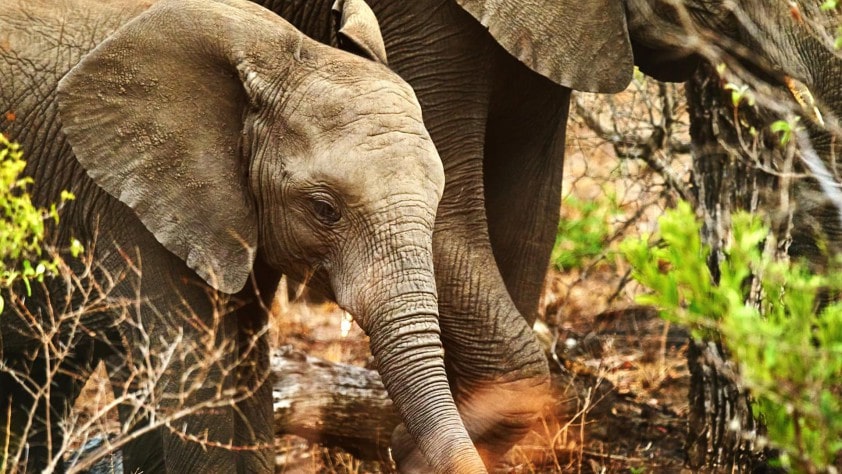
Statistics from animal welfare organizations reveal alarming rates of stereotypic behavior, stress-related illnesses, and premature mortality among animals in captivity. A study published in the journal Nature found that captive elephants exhibited significantly higher rates of stereotypic behavior compared to their wild counterparts, suggesting that confinement in zoo environments may compromise the welfare of these animals.
Conservation Effectiveness
Despite claims of conservation success, sceptics question the effectiveness of captive breeding programs in achieving meaningful population gains for endangered species. A meta-analysis published in the journal Conservation Biology found that only a small percentage of species bred in captivity are ultimately released into the wild, with many facing significant challenges in adapting to natural habitats.
Critics also argue that zoos often prioritize charismatic or commercially valuable species for breeding, while neglecting less popular or economically viable species. According to data from the International Union for Conservation of Nature (IUCN), only a fraction of the world’s endangered species are represented in zoo breeding programs, raising concerns about the equitable distribution of conservation resources.
Alternatives to Captivity
Advocates for animal rights and welfare advocate for alternative approaches to wildlife conservation and education that do not rely on captivity. According to a report by the Born Free Foundation, initiatives such as ecotourism, wildlife sanctuaries, and community-based conservation projects offer more ethical and sustainable alternatives to traditional zoos.
Statistics from organizations promoting wildlife-friendly tourism demonstrate the economic viability and conservation benefits of initiatives that prioritize viewing animals in their natural habitats. The World Wildlife Fund (WWF) reports that wildlife-based tourism generates over $343 billion in annual revenue globally, supporting local economies and incentivizing habitat conservation efforts.
Finding Common Ground
In navigating the complex and contentious debate over zoos, it becomes clear that there are valid arguments on both sides of the issue. While zoos have made significant contributions to conservation, education, and scientific research, they also raise important ethical concerns regarding animal welfare and captivity.
Moving forward, stakeholders must work towards finding common ground and implementing reforms that prioritize the welfare of animals while promoting conservation and education goals. This may involve stricter regulations and oversight of zoo operations, increased investment in habitat conservation and restoration, and greater emphasis on non-invasive research methods.
Ultimately, the future of zoos hinges on our ability to strike a balance between the benefits they provide and the ethical considerations they raise. By engaging in open dialogue and embracing evidence-based approaches, we can work towards a more sustainable and ethical model of wildlife conservation and education that respects the intrinsic value of all living beings.